
Tyre Maintenance
Check your tyres every week: tread, pressure and damage.
We recommend that you check your tyres often: every week if you can, and at least once a month and before a long journey. Check three things: the tread depth, the pressures and the condition of the tyre. If you are not sure that a tyre is fit for use, call us on 01903 202140 or send us a message using our contact page.
Worried about your tyres?
Call in and ask for a free tyre safety check.
Tyre pressures
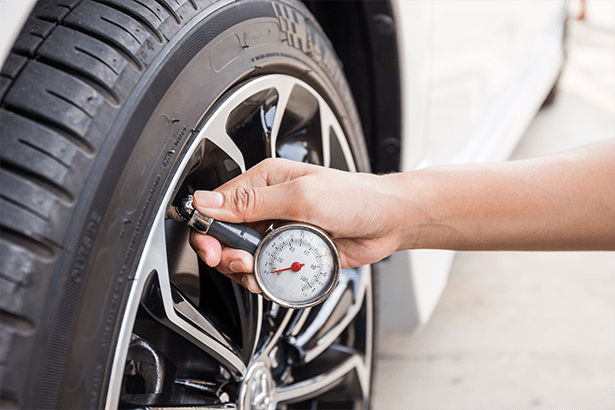
Tyres at the correct pressure last longer, are safe to use and lower the fuel use of your car or van.
What is the right tyre pressure?
The manufacturer of your car or van specifies the pressures. They are in your vehicle handbook, and often inside the fuel filler flap or on the door sill. There are usually two sets: one for a light load and one for a full load. It is your responsibility to keep your tyres at these pressures.
A tyre with too little pressure can overheat, and it needs more fuel to keep the car at speed. A tyre with too much pressure wears faster and makes the car harder to handle.
You can find the pressures for your car or van with the Tyre Pressure Checker of TyreSafe.org.
Tread depth
The tread moves water from between the tyre and the road. With less tread, your car takes longer to stop on a wet road.
- The legal minimum is 1.6mm, across the central three quarters of the tread and all the way round the tyre.
- Tyre safety experts recommend new tyres when the tread is down to 3mm.
- For a quick check, put a 20p coin into the main grooves of the tyre. If you can see the outer band of the coin, the tread can be below the legal minimum: have the tyre checked.
Condition
Look at each tyre, and at the spare, for cuts, lumps and bulges, and for nails or stones in the tread. A lump or a bulge means that the tyre is damaged inside: have it checked before you drive on it. Our tyre damage guide shows what to look for.